A new Student Voice system
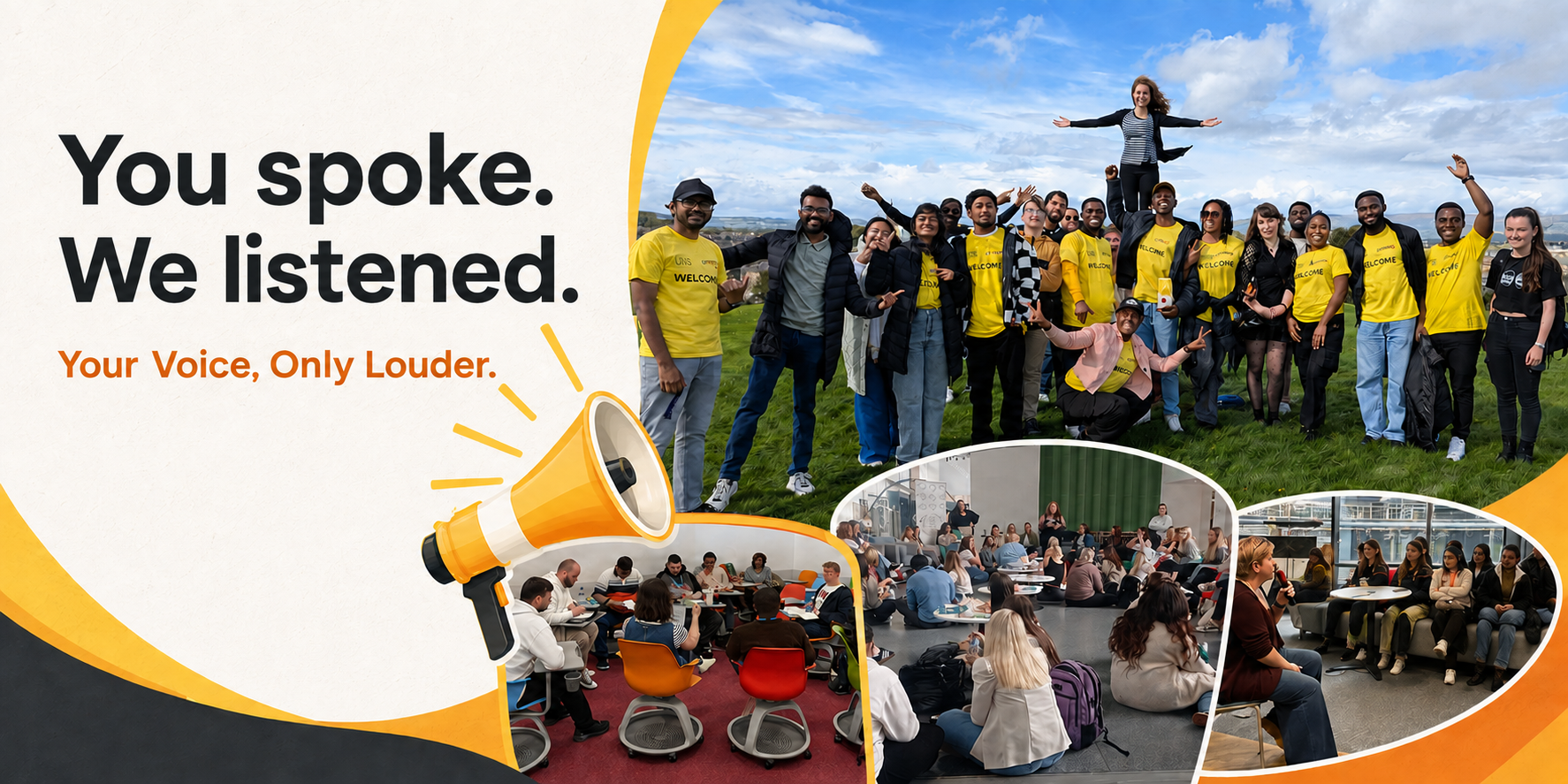
Developed through the Democracy Review and shaped by students, it brings together new representative roles, meetings, forums and networks. The changes will be introduced in full during 2026/27, giving students more ways to be heard and help shape the work of your Union.
Below, you can find out why the changes were needed, how students shaped them and what the new approach means for you.
Why did things need to change?
Your Union is independent from UWS and exists to represent students. To do that well, our democratic structures need to reflect the students and communities that make up the University.
UWS and its student community had changed significantly since the previous structures were introduced. Students now study across different campuses, faculties, levels and modes of study, and our membership has become larger and more diverse.
Students also told us that the previous arrangements could be difficult to understand and that there were barriers to getting involved. Most senior representative roles were full-time, making them less accessible to students who could not take time away from their studies, including those on placements and professionally accredited courses.
We therefore began a full Democracy Review to explore how your Union could become more accessible, representative and connected to students.
Students shaped the changes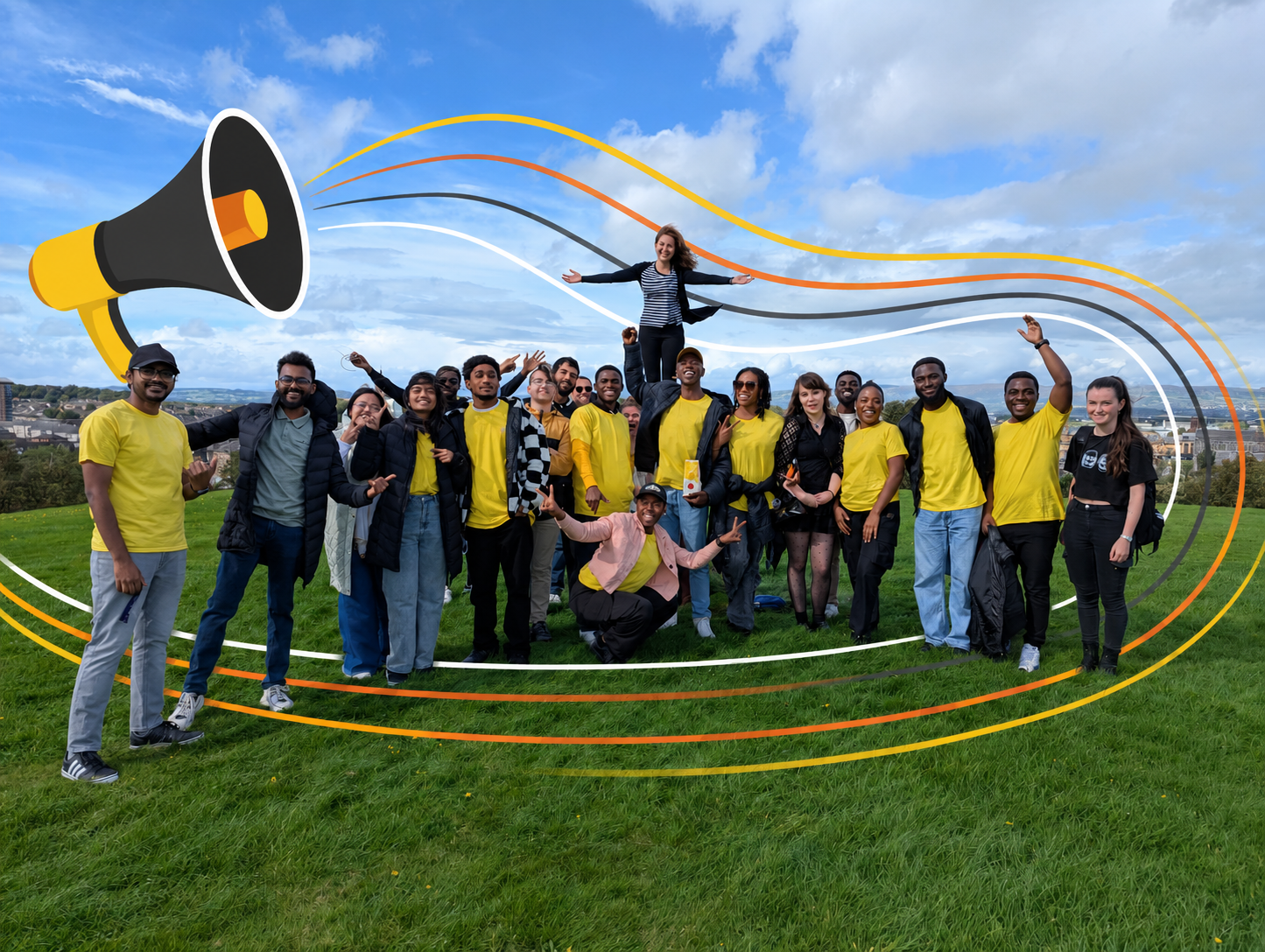
The review was informed by student surveys, meetings, campus consultations, Student Council discussions and a working group involving students, elected officers and Union staff.
Students told us they wanted:
- more flexible and part-time opportunities to represent students;
- stronger representation within faculties and across campuses;
- more opportunities for different groups of students to be heard;
- simpler ways to raise ideas and influence what your Union does;
- clearer links between students, their representatives and Union decision-making; and
- a system that was easier to understand and get involved in.
Students voted for change
In March 2025, students voted on the proposed direction in a referendum.
More than 1,700 students took part, with 93% voting in favour. This gave your Union a clear mandate to develop the proposals, update its governing documents and introduce the new structures.
Developing the approach
Following the referendum, your Union worked with students, trustees and the University to develop the details of the new system.
This included approving new Memorandum and Articles of Association, Bye-Laws, representative roles and meeting structures. Some of the original proposals were also updated as the University’s structure changed and students provided further feedback.
The result offers different ways to participate. You can represent your class, faculty, campus or Student Network, attend meetings, join a campaign, submit an idea or speak to one of your representatives.
What changed?
Two full-time elected officers
The President and Vice President for Education represent all UWS students and lead your Union.
Three part-time Faculty Vice-Presidents
Each Faculty Vice-President represents students within one of the University’s three faculties. The roles are part-time so students can continue their studies while representing others.
Class Reps
Class Reps remain the backbone of our Student Voice system. They listen to students on their course and raise their views with University staff and your Union.
Student Networks and Network Representatives
Student Networks bring together students with shared identities, experiences or interests.
Each Network is supported by a Student Network Representative. These representatives are appointed by Student Panels made up of students from the relevant communities. They raise the issues affecting their Network and sit on your Union’s Executive Committee.
Student Members’ Meetings
The Annual Student Members’ Meeting is your Union’s main democratic meeting of the year. It gives all Student Members an opportunity to discuss important issues and decide what your Union should stand for.
Other Student Members’ Meetings can be held when students need to discuss or decide a significant issue.
Faculty and Campus Forums
Faculty Forums allow students to raise issues affecting their education and faculty.
Campus Forums bring students together to discuss facilities, services and the wider experience of studying at their campus.
A wider Executive Committee
The Executive Committee brings together elected officers and student representatives. It helps turn decisions made by students into action and coordinates your Union’s representation and campaigning work.
More ways to shape your Union
Students can also submit suggestions, join working groups, participate in campaigns, attend the Societies Forum and respond to surveys such as Everything Matters.
How did we get here?
The changes have been developed and introduced in stages.
| Academic year |
What happened |
| 2024/25 |
Students were consulted and voted in favour of a new system in the March 2025 referendum. |
| 2025/26 |
The new governing documents, Bye-Laws, roles and structures were developed and approved. |
| 2026/27 |
The complete Student Voice system and its new representative roles are being introduced. |
What happens next?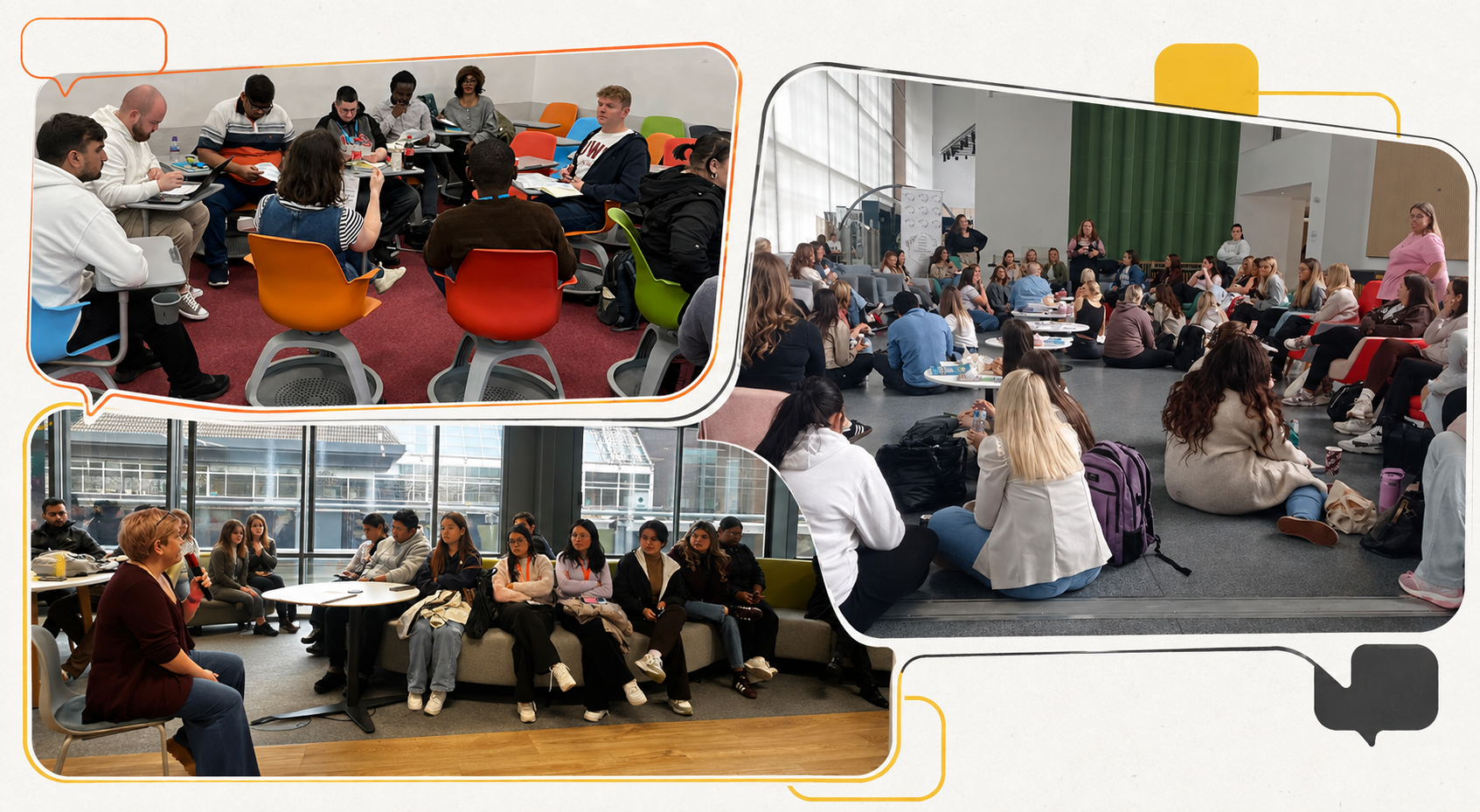
The Democracy Review may be complete, but we will continue to listen to students as the new Student Voice system is put into practice.
We will listen to your experiences, look at what is working and make improvements where needed. There are now more ways to get involved, share your views and help shape the work of your Union.
Explore the opportunities and find the right way for you to make your voice louder.